
BALTIMORE, Md. — Coppin State University is using an innovative homeownership initiative to help faculty and staff move from renting to owning homes in West Baltimore, pairing employment at the historically Black institution with substantial financial assistance toward home purchases.
Coppin State employees can receive $50,000 in down-payment and closing-cost assistance, creating a significant pathway to homeownership in neighborhoods surrounding the university.
The program was launched in 2023 and was supported initially with $300,000 in state funding. By September 2026, the initiative had helped Coppin faculty and staff purchase six homes near campus.
How Coppin State’s $50,000 Homeownership Program Works
The Live Near the Nest initiative is designed to address two challenges at the same time: the difficulty many employees face in accumulating enough cash for a down payment and the university’s desire to strengthen the communities surrounding its West Baltimore campus.
Under the current program requirements reported by The Baltimore Banner, qualifying participants must be full-time Coppin State employees, complete homeowner counseling and purchase a home in one of two designated West Baltimore ZIP codes: 21216 or 21217. Participants who remain in their homes for at least five years can have the grant forgiven rather than repaying the assistance.
For many prospective homeowners, the challenge is not necessarily the ability to make monthly mortgage payments. Instead, saving enough money for a down payment and closing costs can be the major barrier to purchasing a home.
Coppin State administrators calculated that a 20% down payment on homes in the surrounding area could approach $50,000 — an amount that can be difficult for even a full-time professional to save.
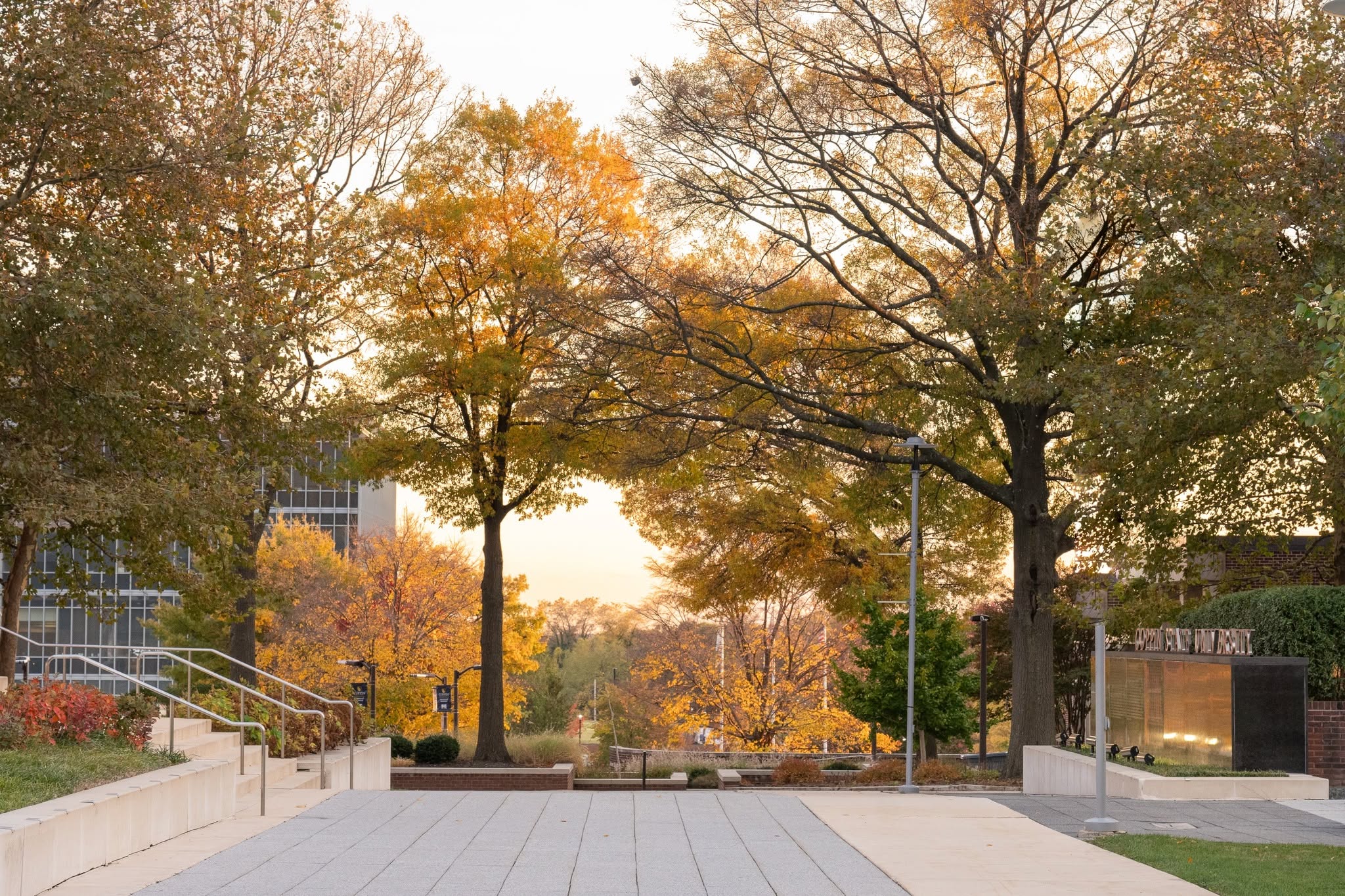
The university's investment therefore goes beyond an employee benefit. It is also intended to encourage workers to live closer to campus and become long-term residents and stakeholders in nearby neighborhoods.
Coppin State University President Anthony L. Jenkins believed having more homeowners in West Baltimore would help beautify the campus’s surroundings — which include Upton, Coppin Heights and Druid Heights — and that faculty would jump at the chance to have shorter commutes and lower monthly housing costs, according to his chief of staff, Ann-Marie Waterman.
Coppin State Employees Are Becoming Homeowners
Several members of the Coppin State community have already used the program to purchase homes.
Associate Professor of Social Work Christopher Robinson purchased a renovated home in Upton through the initiative. The move gave him the opportunity to live closer to work and become more personally invested in the surrounding community.
Khadijah Ali-Coleman, an English professor, also became a first-time homeowner through the program after purchasing a home in Druid Heights.
Other participants include Coppin-affiliated homeowners who have purchased properties in neighborhoods including Upton and Druid Heights, illustrating the program's potential to connect university employees with historically significant West Baltimore communities.
For West Baltimore, that investment could mean more occupied homes, more homeowners with a long-term stake in neighborhood stability and another avenue for building wealth.

About Coppin State University
Coppin State University is a historically Black institution located in Baltimore, Maryland, and a member of the University System of Maryland. Founded in 1900, the university provides undergraduate and graduate education while emphasizing student success, leadership, civic engagement, community service and economic development. Coppin describes its mission as serving a multigenerational student population and advancing opportunity through urban higher education.


